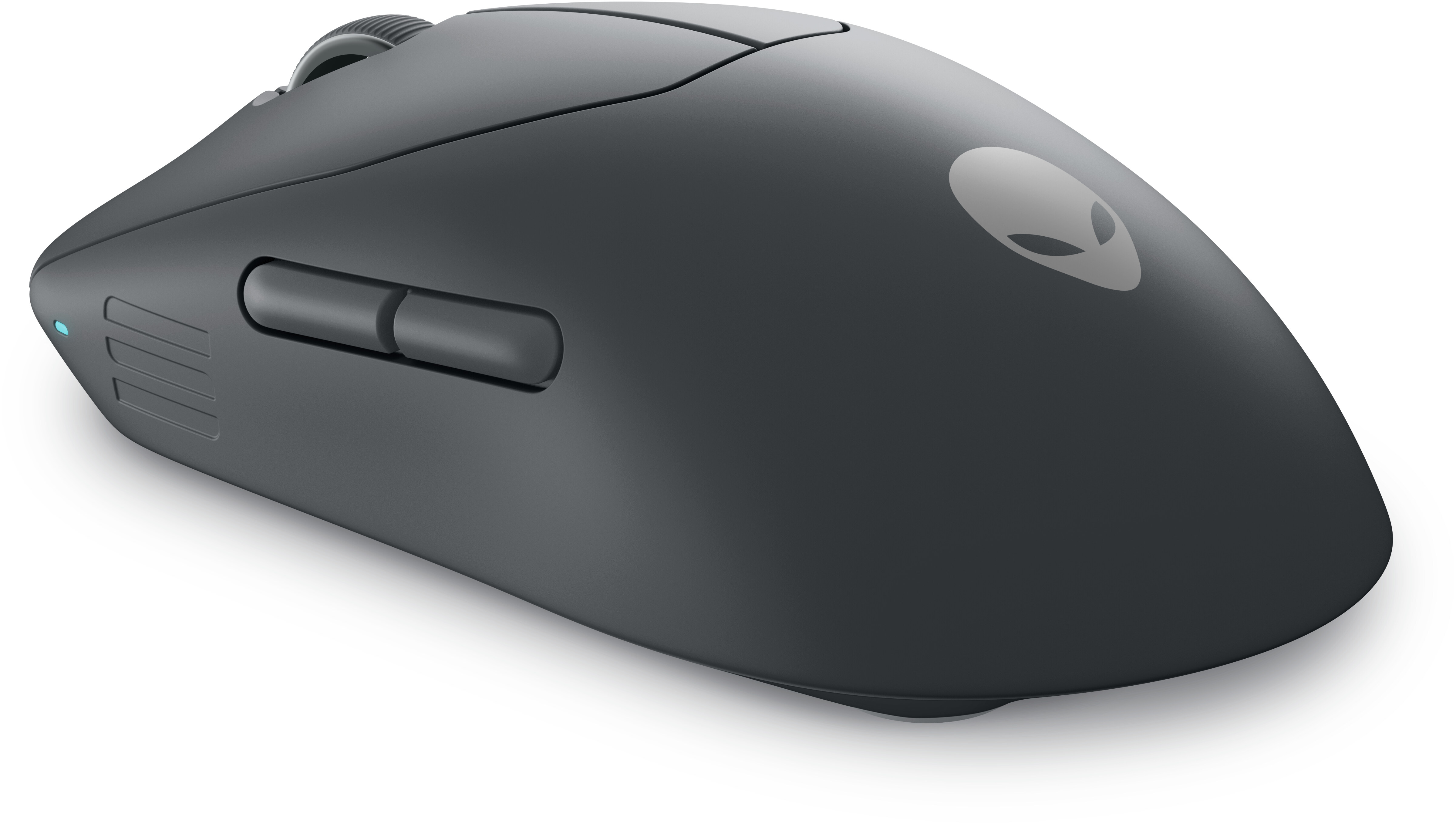
The Truth Behind DPI: Does Higher Always Mean Better for Gamers?
When it comes to gaming mice, DPI (Dots Per Inch) is often touted as a key feature that can make or break a player’s experience. Many gamers believe that a higher DPI translates to better precision and faster response times. However, the truth is more nuanced. While it is true that higher DPI settings can result in more sensitive cursor movements, this often comes at the cost of control. For example, a casual gamer might find that a DPI setting over 1600 makes their movements too erratic, leading to missed shots and frustration. Understanding DPI involves recognizing that personal preference and the type of game being played significantly influence optimal settings.
Moreover, gamers should consider DPI in conjunction with other factors such as mouse acceleration, polling rate, and the resolution of the display. Many professionals opt for lower DPI settings—often ranging from 400 to 800—to ensure that their movements translate accurately to in-game actions. Not only does this provide better control, but it also allows for more consistent aim, especially in competitive scenarios. In conclusion, while higher DPI numbers can sound appealing, they do not inherently mean better performance; the ideal DPI depends on individual playing style and preferences.
If you're looking to enhance your gaming experience or improve productivity, upgrading your mouse with high-quality replacements can make a significant difference. Our guide on the Top 10 Replacement Mouse Skates showcases the best options available, from ultra-slick materials to durable designs that cater to all types of users. Whether you're into competitive gaming or just need a smoother glide for everyday tasks, there's a perfect choice for everyone.
Wired vs. Wireless: Debunking the Myths for Competitive Gaming
When it comes to competitive gaming, the debate between wired and wireless connections is rife with misconceptions. Many players believe that a wired connection automatically guarantees lower latency and faster speeds. While it's true that wires generally provide a stable and reliable connection, advancements in wireless technology have introduced options like Wi-Fi 6 and dedicated gaming routers, which offer performance nearing that of their wired counterparts. This evolution has significantly narrowed the gap, leading to an emerging question for gamers: Is a wired connection still necessary?
Another common myth is that wireless gaming peripherals are inherently laggy or prone to interruptions. With the latest technology, many high-quality wireless gaming mice and keyboards now feature features like low-latency connections and robust battery life. For example, 2.4GHz and Bluetooth options are designed specifically to reduce input delay, making them a viable choice for competitive gaming. Ultimately, while personal preference and specific gaming scenarios play a role, both wired and wireless setups can achieve optimal performance when utilized correctly.
Do You Really Need an Expensive Gaming Mouse to Improve Your Skills?
When it comes to gaming, many enthusiasts wonder whether investing in an expensive gaming mouse can truly enhance their skills. The reality is that while high-end gaming mice often have advanced features like customizable DPI settings, programmable buttons, and ergonomic designs, the most significant factor in improving your skills lies in practice and familiarity with your equipment. A gaming mouse designed for performance can certainly provide an edge, but it's important to remember that even a more affordable option can still deliver a solid gaming experience.
Ultimately, the decision to invest in an expensive gaming mouse should be based on your personal preferences and gaming style. If you find that a gaming mouse with specific features suits your needs, then it may be worth the splurge. However, many players have honed their skills using budget-friendly mice. As such, it's crucial to weigh the benefits against your budget and to focus on improving your gameplay through practice and strategic understanding rather than relying solely on equipment upgrades.