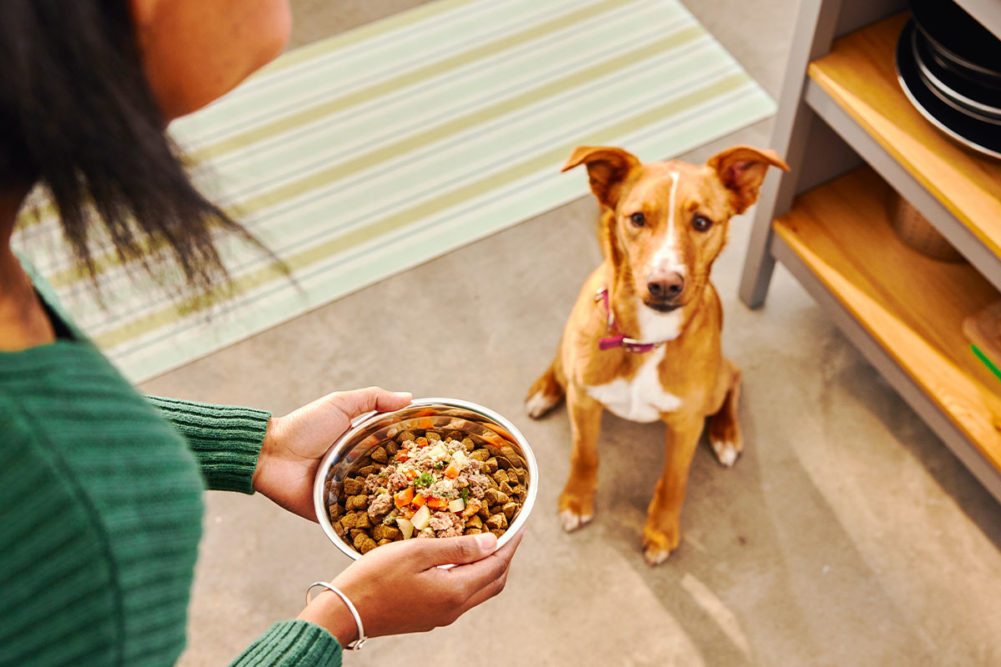
Top 10 Human Foods Your Dog Will Love
Finding the right treats for your furry friend can be a challenge, especially when considering human foods that are safe for dogs. Here are the Top 10 Human Foods Your Dog Will Love:
- Peanut Butter - A favorite for most dogs, peanut butter is not only delicious but also packed with protein. Just make sure to choose a brand without xylitol, which is toxic to dogs. Learn more about peanut butter and dogs.
- Carrots - These crunchy snacks are low in calories and a great source of vitamins. They can help keep your dog's teeth clean while being a tasty treat. Discover the benefits of carrots in this AKC article.
- Apples - Apples are a great source of vitamins A and C. Just be sure to remove the seeds and core before giving them to your pup. More details can be found here.
- Pumpkin - Plain, cooked pumpkin is a fantastic source of fiber and can aid digestion for your dog. Check out how pumpkin can benefit your pet here.
- Blueberries - These tiny fruits are packed with antioxidants and are a super healthy treat for dogs! For more information on the benefits of blueberries, visit this link.
Continuing with our list of Top 10 Human Foods Your Dog Will Love:
- Chicken - Cooked, unseasoned chicken is a wonderful source of protein for dogs, making it a perfect addition to their meals. Learn more about how to safely prepare chicken for your dog here.
- Sweet Potatoes - These are high in fiber and vitamins and can be served boiled or baked without seasoning. Check out more about sweet potatoes on this page.
- Oatmeal - A great source of soluble fiber, oatmeal can help with digestion, especially for dogs with bowel irregularity. Read more about it here.
- Eggs - Cooked eggs are another fantastic source of protein and are incredibly nutritious for dogs. For safe consumption tips, visit this article.
- Coconut - In moderation, coconut can be beneficial thanks to its anti-inflammatory properties. Learn more about the effects of coconut on dogs here.
Balancing Nutrition: What to Include in Your Pet's Homemade Meals
Creating a balanced diet for your pet requires careful consideration of their unique nutritional needs. When preparing homemade meals, it's essential to include a variety of ingredients to ensure they receive all necessary nutrients. Key components to incorporate are:
- Proteins: Lean meats, such as chicken, turkey, and fish, provide essential amino acids that support muscle health.
- Carbohydrates: Whole grains like brown rice or oats, as well as vegetables such as sweet potatoes and peas, offer energy and fiber.
- Fats: Healthy fats, including omega-3 and omega-6 fatty acids from fish oil or flaxseed oil, promote healthy skin and coat.
For more detailed information on appropriate pet nutrition, consider exploring resources like PetMD which provide guiding principles for pet owners.
Additionally, don't forget to add vitamins and minerals to enhance the overall health of your pet. A balanced homemade meal can also include dog-safe fruits and vegetables like blueberries, carrots, and spinach, which can contribute to their overall wellness. Incorporating a pet-specific multivitamin can help fill any nutritional gaps in their diet. Remember to consult with your veterinarian before making any drastic changes to your pet's diet to ensure that you cover all bases. For further guidance, visit the American Veterinary Medical Association for trusted information on pet nutrition.
Do Dogs Really Like Vegetables? The Truth About Your Pet's Preferences
When it comes to dog diets, many pet owners often wonder, do dogs really like vegetables? The answer isn't as straightforward as one might think. While dogs are primarily carnivorous, they are also omnivores, which means they can incorporate a variety of foods into their diet, including fruits and vegetables. Some dogs may enjoy veggies like carrots, peas, and sweet potatoes, which provide essential nutrients and fibers. However, preferences can vary widely among individual dogs, as some may turn their noses up at greens altogether. For more on this topic, check here.
It's important to understand that while many dogs can enjoy certain vegetables, not all vegetables are safe for dogs. Foods like onions, garlic, and avocados can be toxic to dogs, emphasizing the need for careful selection. If you’re considering introducing veggies into your dog's diet, it’s advisable to start with small portions and observe their reactions. Some dogs may take to vegetables enthusiastically, learning to enjoy them as healthy snacks, while others may need a little encouragement. For a comprehensive list of safe and nutritious choices for your pet, refer to this guide.