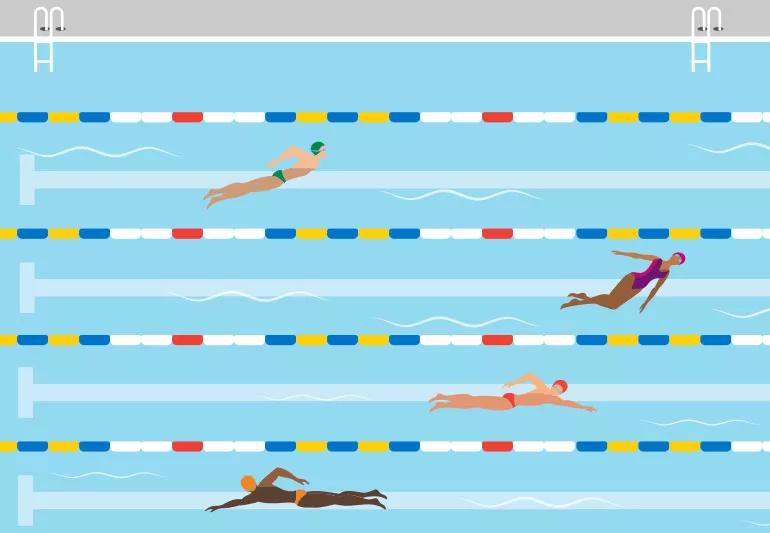
The Ultimate Guide to Improving Your Swim Technique
Improving your swim technique can be a game changer for both competitive and recreational swimmers. Focus on key elements such as body position, breathing, and stroke mechanics to enhance your performance in the water. Start by maintaining a streamlined body position, which reduces drag and allows you to glide effortlessly. Here are three essential tips to refine your technique:
- Optimized Body Position: Keep your head in line with your spine and lower your hips to maintain a horizontal position.
- Effective Breathing: Practice bilateral breathing to ensure even strain on your shoulders and improve overall balance.
- Stroke Mechanics: Focus on achieving a high elbow during the pull phase to maximize power output.
For more detailed insights, check out Swimming World Magazine.
One of the best ways to monitor your progress is to incorporate video analysis into your training routine. Recording your strokes allows you to visually identify areas for improvement, which can be invaluable in making necessary adjustments. Furthermore, consider seeking feedback from a certified swim coach, as they can provide personalized tips tailored to your skill level. Remember to continually practice drills that emphasize different aspects of your technique, such as catch drills and kick drills, to reinforce muscle memory.
If you're looking for comprehensive training resources, visit USA Swimming for guided practices and helpful techniques.
5 Common Swimming Mistakes and How to Avoid Them
Swimming is a fantastic way to stay fit and enjoy the water, but many swimmers make common mistakes that can hinder their performance and enjoyment. Here are 5 common swimming mistakes and how to avoid them:
- Improper Breathing: Many swimmers hold their breath or fail to exhale while swimming, leading to fatigue. To improve your breathing technique, practice exhaling underwater and turning your head to breathe efficiently.
- Poor Body Position: A common mistake is having a misaligned body position, which can create drag. Swimmers should strive to keep their bodies as horizontal as possible in the water. Check out this guide on perfecting body position for better results.
- Lack of Consistency: Swimming regularly is key to improvement. Create a training schedule that allows for consistency, and consider varying your routines to keep your practice fresh. Here are tips for adhering to a training plan.
- Neglecting Technique: Many swimmers focus solely on speed at the expense of technique. It’s important to maintain proper form to maximize efficiency. Consider getting feedback from a coach or using visual aids to refine your strokes.
- Ignoring Recovery: Lastly, swimmers often overlook the importance of rest and recovery. Incorporate recovery days into your routine to allow your body to heal and perform better. For more insights on recovery techniques, check out this article.
What Are the Benefits of Swimming in Deep Water?
Swimming in deep water offers a variety of benefits that can enhance both physical and mental well-being. Firstly, deep water provides a unique environment for resistance training, allowing swimmers to engage more muscles while minimizing the risk of injury. The buoyancy of deep water supports the body, making it an ideal setting for individuals recovering from injuries or those with joint issues. According to the National Institutes of Health, water-based exercises can significantly reduce pain and improve mobility.
In addition to physical advantages, swimming in deep water can also promote mental health. The calming effects of water can alleviate stress and anxiety, providing a sense of tranquility that is often hard to find elsewhere. As Verywell Mind notes, swimming serves as a meditative practice that can enhance focus and clarity. The ability to freely float and move in deep water can also boost confidence and self-esteem, making it a rewarding experience for both novice and seasoned swimmers.